
Telescopes
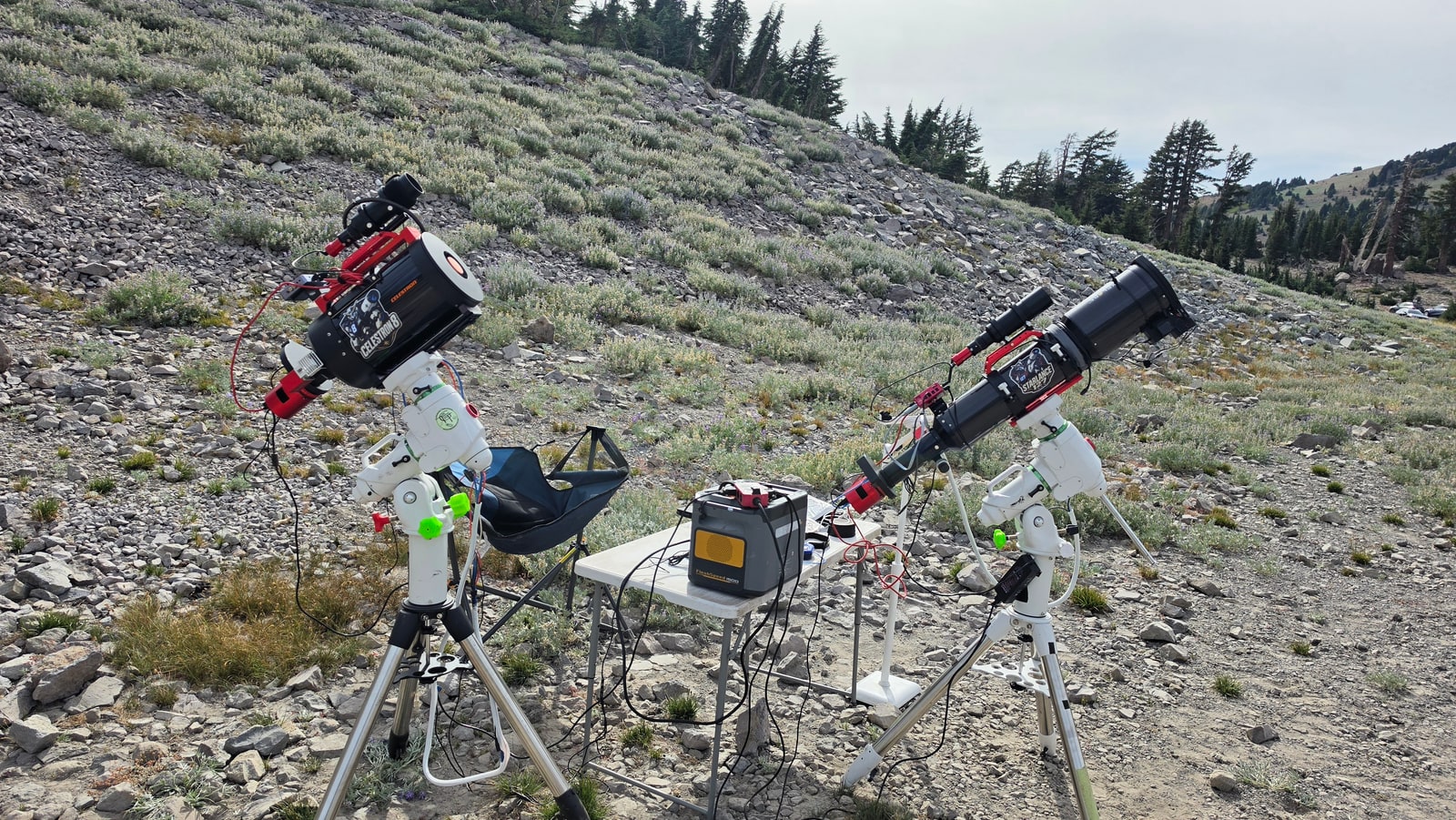
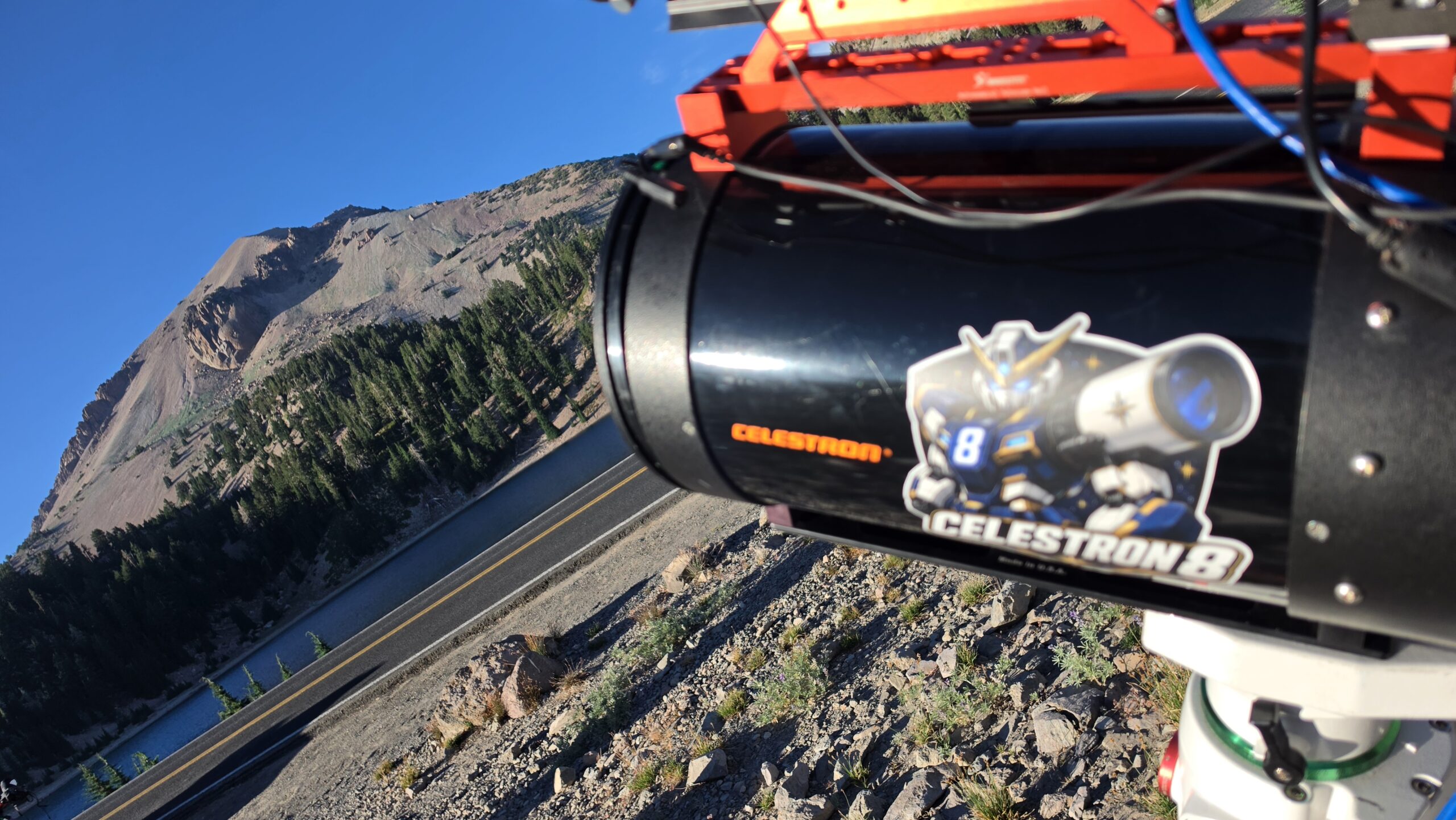
I use the C8 for tighter views and the refractor for wider fields.
| Telescope | How I use it |
|---|---|
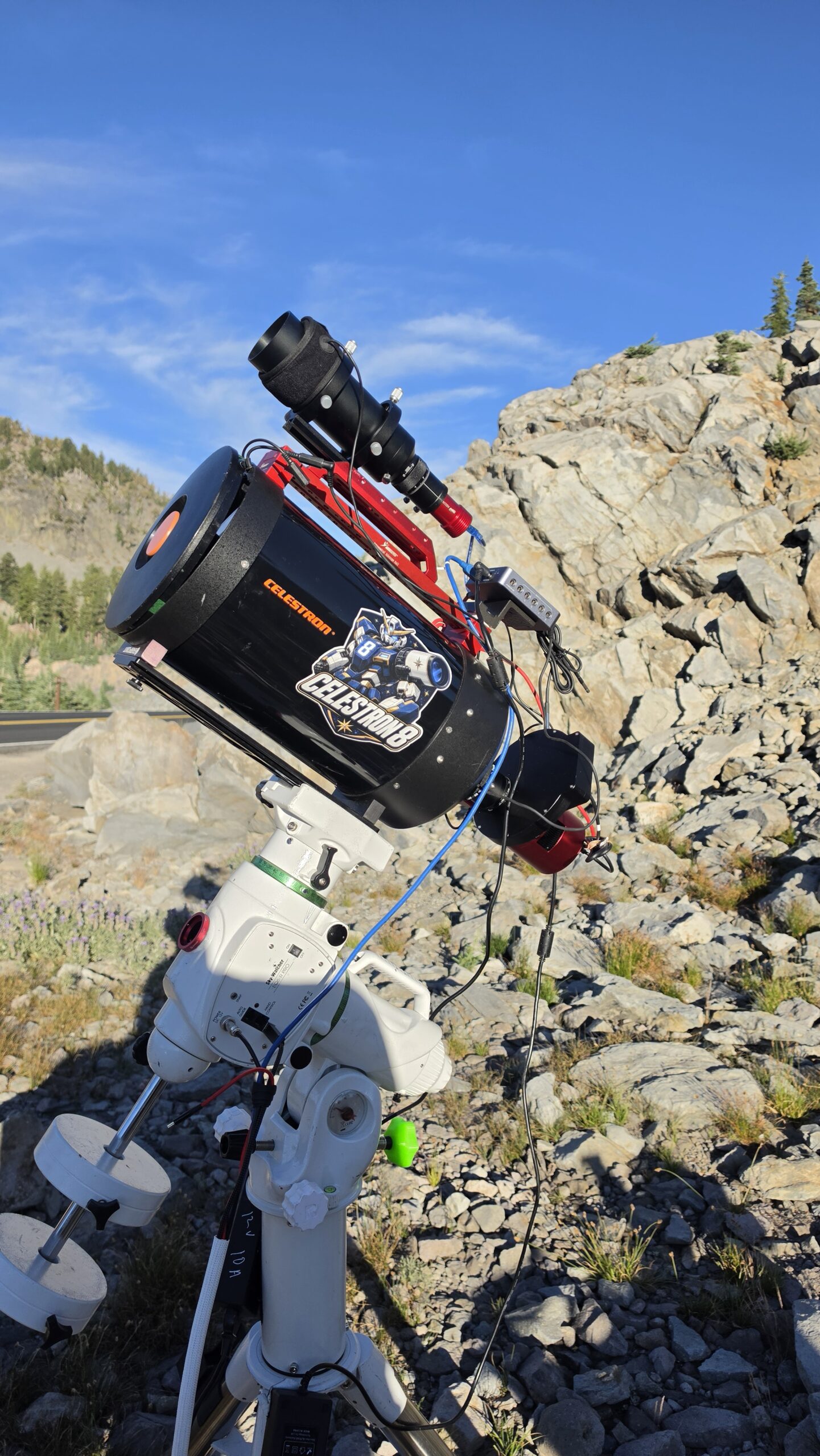
| Celestron C8 SCT | Its longer focal length gives me a tighter view of small galaxies and fine detail in nebulae. |
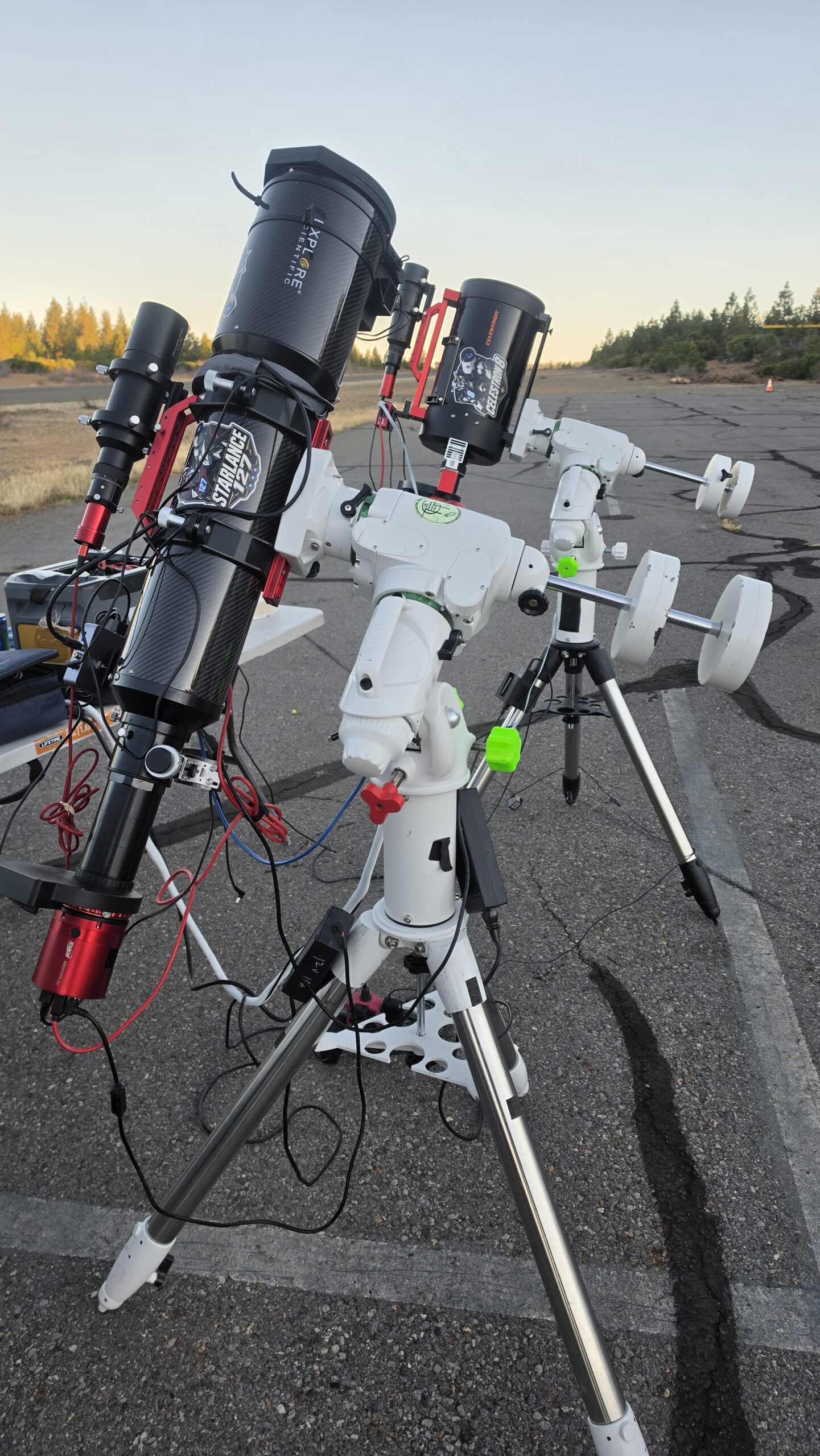
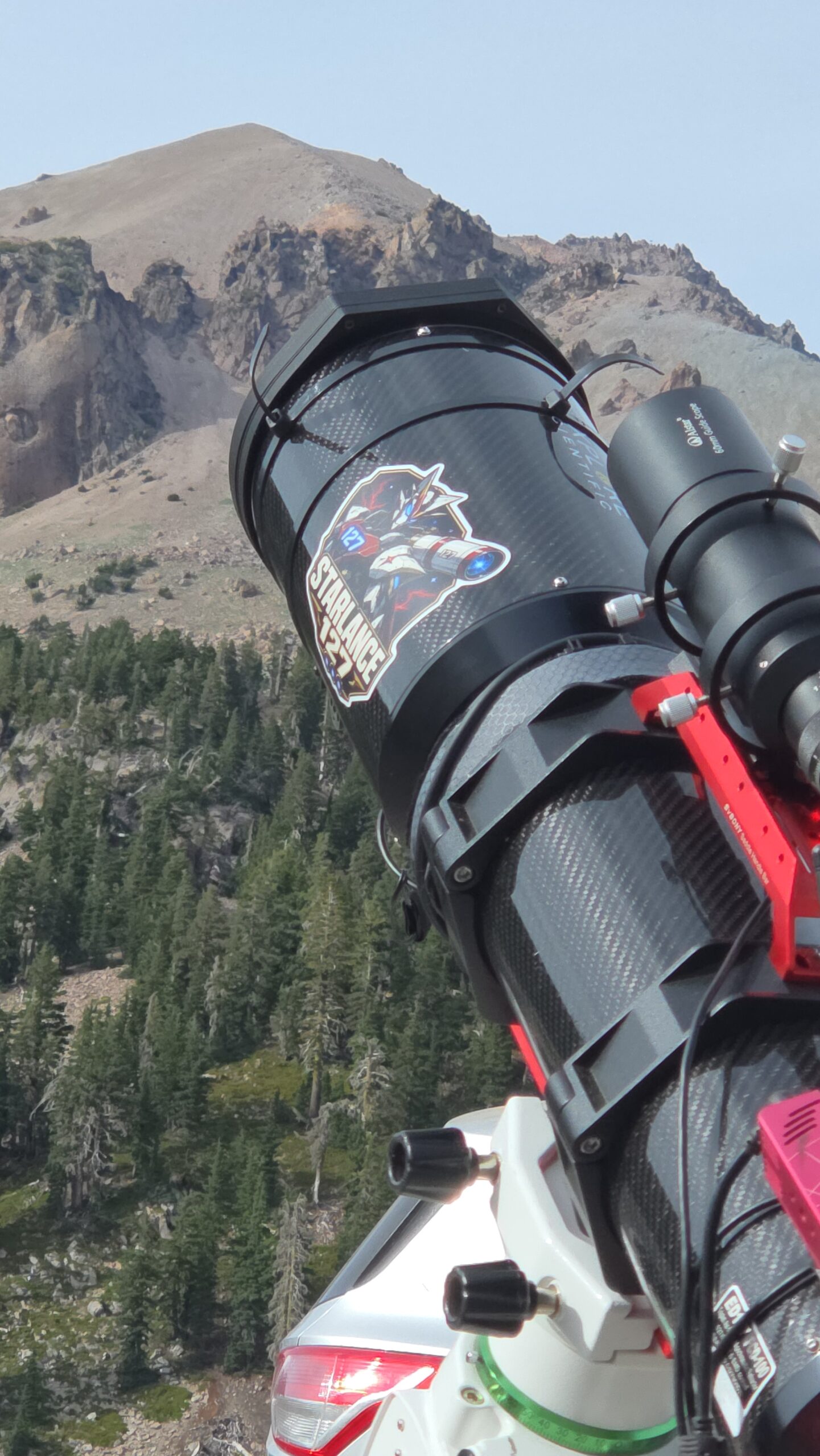
| Explore Scientific 127 mm carbon fiber triplet APO | I use it for larger nebulae and wider star fields. A 0.7× reducer covers even more sky. |
Cameras and lenses
I choose the camera to match the target and the kind of light I want to capture.
| Camera or lens | How I use it |
|---|---|
| ZWO ASI2600MM Pro | My cooled monochrome camera for separate color and narrowband exposures. |
| ZWO ASI2600MC Pro | My cooled one-shot color camera for broadband and dual-band imaging. |
| Sony A7 and A7 II | Full-frame cameras for Milky Way scenes and night landscapes. |
| Sony 35 mm f/1.4, 50 mm f/1.2 and 70–200 mm f/2.8 GM | The 35 and 50 mm primes frame wide scenes. The zoom lets me isolate smaller parts of the sky. |
Mounts and guiding
The mounts track the sky. A guide camera watches a star to measure small tracking errors.
| Mount or guide equipment | How I use it |
|---|---|
| Sky-Watcher EQ6-R Pro | These equatorial mounts carry my two main imaging rigs. |
| Orion Sirius EQ-G | Another tracking mount in my kit. |
| ZWO ASI220MM Mini and ASI174MM Mini | I use these guide cameras to monitor a guide star during long exposures. |
| 60 mm guidescope | It gives the guide camera its own view of the sky. |
Filters
Filters let me record broad color or isolate light emitted by particular gases.
| Filter or wheel | How I use it |
|---|---|
| 36 mm seven-position wheel | On the C8 it holds UV/IR-cut, red, green, blue and three narrowband filters. |
| Antlia Hα and O III 3 nm, S II 4.5 nm EDGE | I capture separate narrowband channels to bring out different structures in emission nebulae. |
| 2-inch five-position wheel | On the refractor I use Hα, O III, dual-band and UV/IR-cut filters. |
| Antlia ALP-T and SVBONY SV220 | Dual-band options for my one-shot color camera. |
Focus and accessories
I check focus and alignment before settling in for a long imaging sequence.
| Accessory | How I use it |
|---|---|
| ZWO EAF | Motorized autofocus on the C8 helps compensate for changing temperatures. |
| Tri-Bahtinov mask and Bob’s Knobs | The mask shows a diffraction pattern for checking collimation. The knobs let me make small adjustments. |
| 0.7× focal reducer | Widens the 127 mm refractor’s field by reducing its focal length from about 953 mm to 667 mm. |
Field power
Portable batteries keep the rigs running away from an outlet.
| Power equipment | How I use it |
|---|---|
| DEENO X1500 | My field power station for running imaging equipment away from mains power. |
| 300 Wh portable battery | A smaller option for lighter loads or backup. |
Capture and processing software
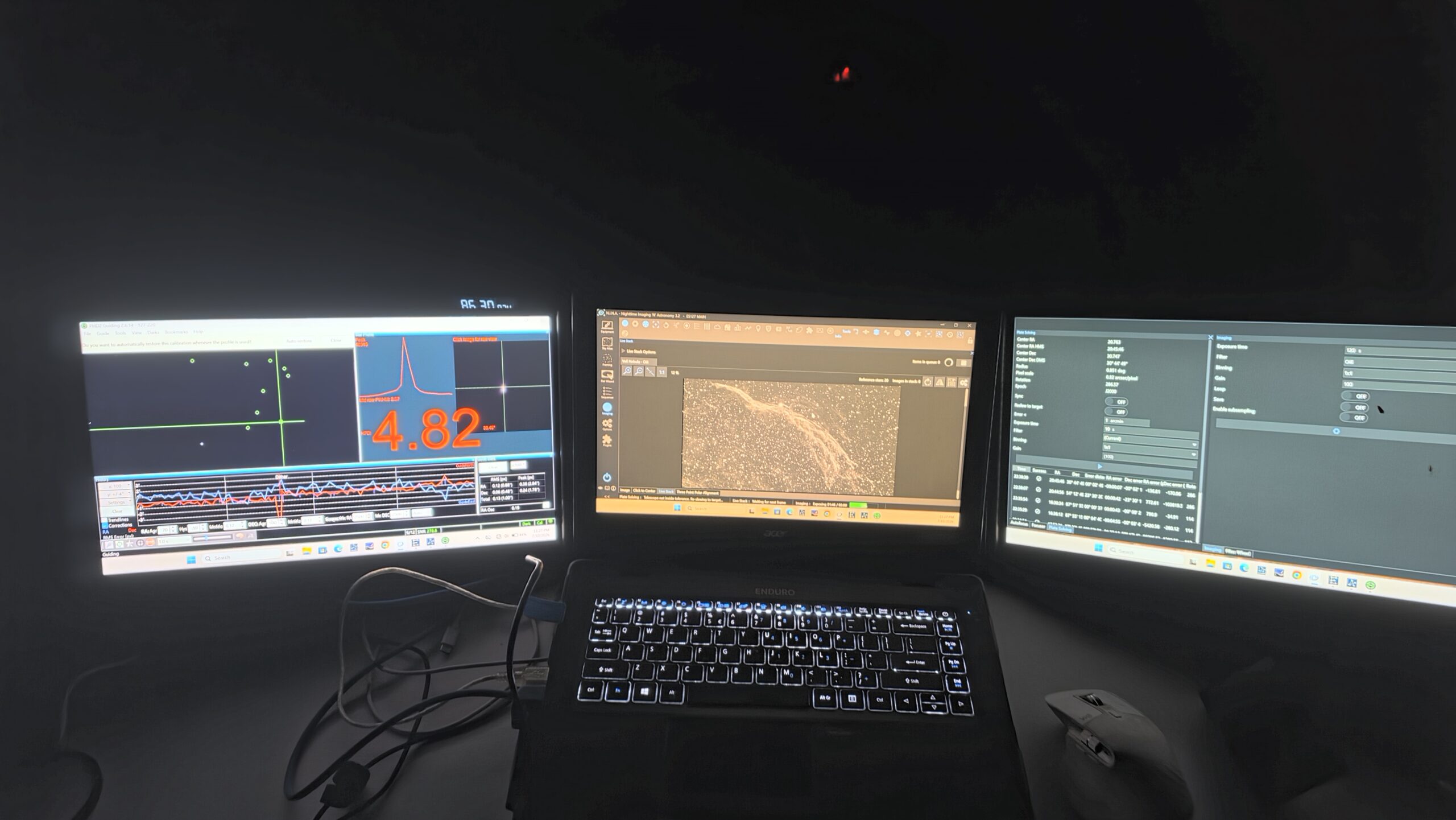
I use different tools to run a session and turn the individual exposures into a finished photograph.
| Software | How I use it |
|---|---|
| N.I.N.A. | Plans targets and runs capture sequences, including autofocus and dithering. |
| ASIAIR Plus | Controls my C8 imaging setup in the field. |
| PHD2 | Monitors a guide star and helps correct tracking on my computer-controlled setup. |
| PixInsight and Photoshop | I calibrate, stack and process in PixInsight and use Photoshop for finishing. |
| BlurXTerminator and NoiseXTerminator | I use these selectively to refine detail and reduce noise in captured data. |